Showing posts with label Astrology. Show all posts

Thursday, April 10, 2014

Tamil Astrology

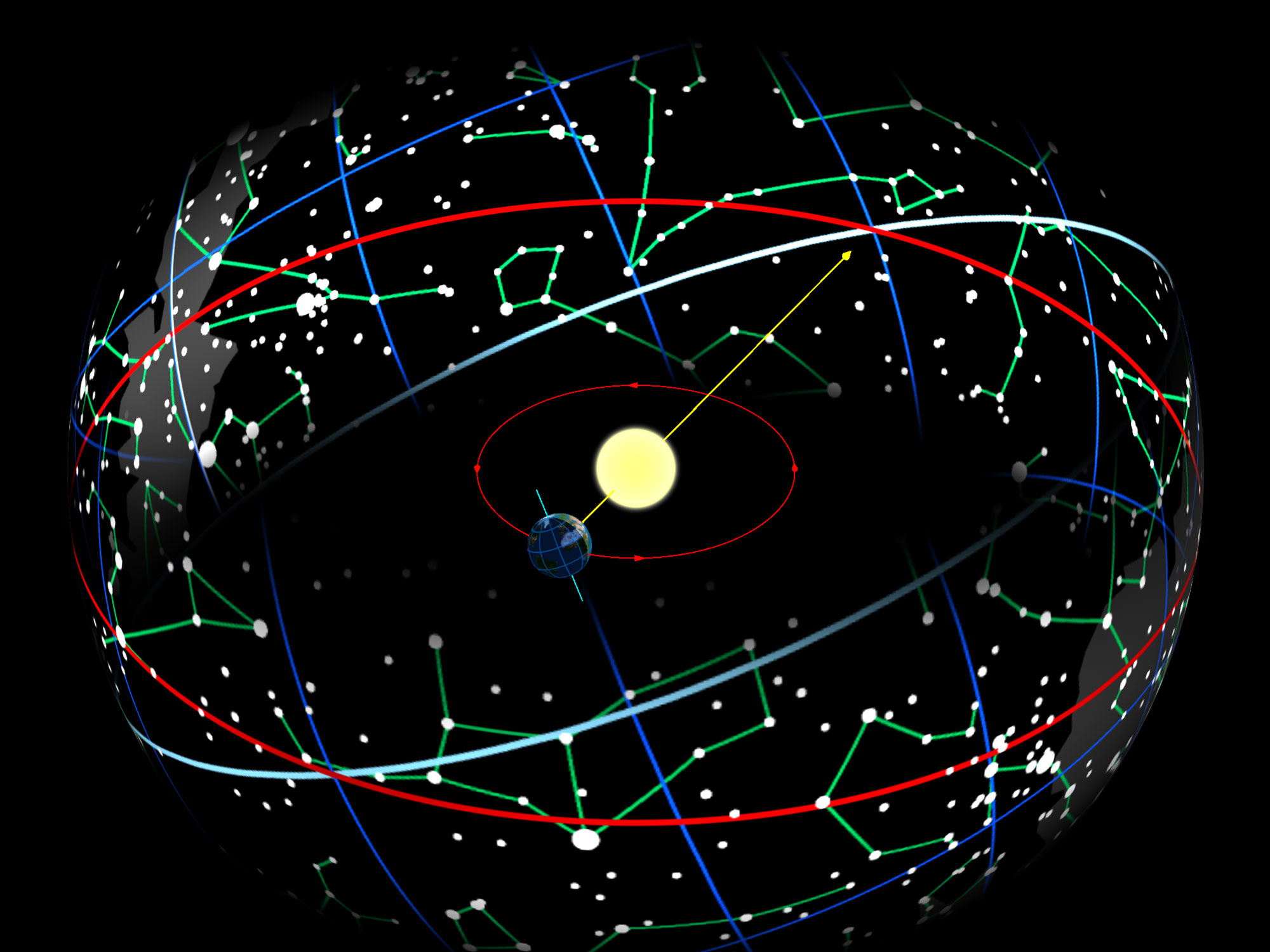
Ecliptic Path: Source: Wikpedia (Wikimedia Commons)
Zodiac Signs Shown around the Earth and Other Planets in their Orbits
Dragon Head or Rahu and Dragon Tail or Ketu: Shadowy planets. Source: Astrology Planet Raghu - Ketu
Precession of the Equinoxes Source:
The Tropical and Sidereal Zodiaks & The Cycle of Earth's Precessional Cross
inner wheel - tropical zodiac  outer wheel - sidereal zodiac Source: You are Who You are?

Our Sages or Rishis of the Vedic period (Narada, Vasistha, Saunaka, Jaimini and others) were able to perceive the mysterious star and planetary movements along the zodiacal system through their deep meditation (thapas). They conceived the basic rules of the "nirayana" or sidereal zodiacal system (Fixed star astrology) which formed the basis for Indian Vedic Astronomy as well as Vedic Astrology. It is different from Western Tropical astrology or the Moving star system. If a birth chart cast using these tropical and sidereal system, there  will be the variation of 23 to 24 degrees. Accordingly (for example) if the Tropical system horoscope shows the sun in Aquaris, then the sidereal system will indicate the Sun in Capricorn.

Many more Indian astrological traditions shared common roots in ancient philosophies that influenced each other and Tamil astrology, a natural cosmic tradition, branched out from the Indian Vedic Astronomy.  Tamil astrology,  is estimated as one of the most ancient, accurate and consistent form of astrology from India. Its basic principles and unique methodologies are derived from the principles of Sidereal (Eastern) astrology. The sidereal system claims that the position of planets in their orbits observable and the astronomical calculations are scientific and  measurable.

The Tamil astrology study consists of 27 constellations, in 12 lunar mansions. The movements of two luminaries Sun and Moon, five major planets (Mars, Jupiter, Saturn, Venus and Mercury) and the two nodal points of the Moon i.e., Rahu and Ketu are considered and their positions are marked.

Nine Planets

According to Tamil Astrology there are only nine Planets or Grahas which have innumerable influence on human life. Of the nine planets only seven planets are known heavenly bodies: Sun, Moon, Mars, Mercury, Jupiter, Venus and Saturn. The remaining two, namely Dragon Head or Rahu and Dragon Tail or Ketu, are known as shadowy planets. Why it is called as shadowy planets? The two planetary positions are calculated mathematically.

Twelve Zodiac Signs

The Tamil Astrology system also conceived the zodiacal system (Circle of animals). It is an elliptical belt along the solar path. This zodiacal belt is extended for about eight degrees on either side of this solar path. Along this zodiacal belt the sun, moon and other planetary motions takes place. Tamil Astrology divides this zodiacal belt comprising 360 degrees into 12 equal parts. Each part of 30 degrees was called as sign or Rasi. This is considered as the fundamental division of Tamil Astrology. The Western terminology of the 12 zodiac signs or rasis and their Sanskrit names are : 

1.Aries: Mesha "Ram, goat." ; 
2.Taurus: Vrishabha "Strength," or "a bull." ; 
3.Gemini: Mithuna "Twins"; 
4.Cancer: Kataka "Crab." ; 
5.Leo: Simha "Lion;" ; 
6.Virgo: Kanya "Maiden;" ; 
7.Libra: Thula "Balance"; 
8.Scorpio: Vrishchika "Scorpion." ; 
9.Sagittarius: Dhanus "Bow;" ; 
10.Capricorn: Makara "Crocodile"; 
11.Aquarius: Kumbha "Water vessel;" ; 
12.Pisces: Meena "Fish;"

27 Star-clusters or Constellations


The Tamil Astrology also set relation between 12 zodiacal signs or rasis and 27 star-clusters and constellations. These unique 27 star-clusters or constellations spread within the elliptic zodiac orbit (solar orbit). Tamil Astrology divides 27 equal divisions of the zodiac orbit (comprising 360 degrees) and each star-cluster and constellation will occupy 1/27 parts or 13 degree 20' of the zodiac orbit. As a result astrology system brings 27 star-clusters or constellations under 12 zodiac signs and unifies both the divisions together.

The twenty-seven nakshatras are: Asvin, Bharani, Krittika, Rohini, Mrigasira, Ardra, Punarvasu, Pushya, Aslesha, Magha, Purvaphalguni, Uttaraphalguni, Hasta, Chaitra, Svati, Visakha, Anuradha, Jyeshtha, Mula, Purvashadha, Uttarashadha, Sravana, Dhanishtha, Satabhishaj, Purvaprostapada, Uttaraprostapada and Revati.

Planetray Transitions in Zodiac Signs / Stellar Constellations

According to Tamil Astrology the nine planets are related to the 12 zodiac signs or rasis and 27 stellar-clusters or constellations. Planetary transitions and its influence on individuals will be calculated according to the birth star (ruling constellation at the time of his birth). Each individual will be related with the respective stellar cluster and zodiac sign at the time of his / her birth. When there are planetary transitions occurring across each specific stellar constellation / zodiac sign, there will be significant influence planets on all the natives.

 Reference Sources:

  1.     Sidereal astrology http://en.wikipedia.org/wiki/Sidereal_astrology
  2.     Constellation http://en.wikipedia.org/wiki/Constellation
  3.     Zodiac http://en.wikipedia.org/wiki/Zodiac
  4.     Nakshatra http://en.wikipedia.org/wiki/Nakshatra

YouTube 
Western Astrology vs Vedic Astrology (Mathematical and Scientific Explanation by KRSchannel


Monday, March 31, 2014

How Nadi Astrology Manuscripts can predict your Past, Present and Future by Using Your Thumb Impression?

Nadi Astrology: Scanning Palm Leaf Manuscripts and Predictions

Individual's Thumb Impression is used to match with the Palm leaf manuscript bearing your Nadi Astrological Data

Do you believe that Nadi Astrologers are able to predict your past, present and future by using your thumb impression? Yes! It is very hard to believe. There are people to believe that Nadi astrology is able to predict their past and there are few to disagree with this form of astrology.

Nadi Astrology, being claimed as an ancient form of Tamil Hindu Astrology, is able to detail the predictions foreseen by the great saints and sages of Tamil Nadu to all people. It is said that the sages were able to use their yogic spiritual power and foreseen the past, present and future of all individuals who already lived in this world or living at present or going to take birth and to live.  

History

The origin of Nadi Astrology manuscripts are claimed to be over 2000 years. It is believed that the manuscripts use Tamil Grantham letters (Vattezhuttu) to record the texts in age old poetic format. The Nadi Astrologers claim that there are about eighteen types of ancient palm leaf manuscripts written in ancient Sanskrit language and they are normally identified with the seven Sages and Saints (Siddhars) i e, Agasthya, Bohar, Brigu, Kausika, Valmiki, Vasistha, and Vyasa.

Sage Agastyar
The Nadi systems were named after the Sage or Saint i e., Agasthya Nadi, Angirasa Nadi, Atrish Nadi, Baradwaj Nadi, Bohar Nadi, Brahma Nadi, Brigu Nadi, Gautama Nadi, Jamadagni Nadi, Kagapujandar Nadi, Kausika Nadi (also known as Vishwamitra Nadi), Krauta Nadi, Pulahtiya Nadi, Shiva Nadi, Suka Nadi, Valmiki Nadi, Vashist Nadi, Vyasa Nadi etc.  Most of these Nadis are not available in full form and some part might have got destroyed or taken away by British Rulers or researchers.

Collection and Organisation

The Nadi Astrology manuscripts lie scattered across the country and a portion of the leaves are believed to have been smuggled out of India. Experts say that the manuscripts using the bold face are believed to be the older records. The results of the radio carbon dating tests carried on these manuscripts prove that they are just three hundred years old. Researchers also found some of these Nadi manuscripts are also available in few other Indian languages i e, Kannada and Telugu. The Tamil version of Nadi Astrology manuscripts might be the translated versions from the original Sanskrit scripts. The Rulers of Thanjavoor were responsible for the translated version. The Maratha ruler Serfoji (or Sarabhoji) [1777-1832] of Thanjavoor preserved the translations in his Saraswati Mahal Library.

Hereditary Occupation of Valluvar Community

The European researchers in general and the British Rulers in specific accessed the entire manuscript collections of the library and found that the literature on indigenous medicine were only useful to them. The Colonial Rulers decided to sell the manuscripts through auction and the traditional Valluvar Community astrologers of Vaitheeswaran Temple were successful in purchasing them. From then onwards Nadi Astrology was being practiced by these people and now their descendants are holding these manuscripts. Thus Nadi Astrology has become the hereditary occupation of a particular community.

How Nadi astrology is practiced?

Thumb Impression

The Nadi Astrologers will neither demand your birth details nor your horoscope. They only take your thumb impression. Why your thumb impression is required? Their claim is that the loops and whirls of your thumb impressions are unique. They could identify and fix your thumb impression as one amongst the 1008 unique thumb impression classes or categories. They also claim that the classification and indexing system followed to store the bundles of palm leaf manuscripts will help them to identify few relevant bundles. Each bundle will hold at least fifty to one hundred palm leaves.

Nadi Astrology Reader

The process of identifying and pin pointing the specific palm leaf pertaining to the individual is the most pain taking process and this may test your patience. The Nadi Astrologer will not put direct question about your birth details or your name or the names of your parents or relatives or children, your profession or income and other information. Instead he will read certain leaves and keep on putting indirect questions. Some times he may direct you to pay few more visits to verify your identity from the missing bundles.

Nadi Astrology and its Parts / Chapters (Kandams)

If they claim that the relevant index leaf bearing your data found he will read poems comprising ancient Tamil words and phrases. The astrologer will also interpret your birth details, names of parents, wife and children. He will also cast your birth chart (horoscope). According to Nadi Astrology the index leaf is called ‘General Kandam (Part or Chapter). There are twelve parts or chapters (Kandams) and if you want specific information about your family, brothers, sisters, mother, children, education, properties, diseases, debts, litigation, opponents, marriage, spouse, lifespan, longevity, wealth and comforts, career or profession, profit and loss, they will advice to refer specific part or chapter.’ You may have to make number of visits to find out the relevant leaf and get informed about the answers to your questions. Also there are parts or chapters (Kandams) for remedies (Shanti Kandam), performance jebam (Deeksha Kandam), medicine (Oushadha Kandam) and prosperity (Dasa Bhukthi Kandam). More you visit more money you have to pay.

Sins (Doshams) and Remedies (Pariharams) in Nadi Astrology

According to the Saints the individuals are suffering due to the sins they have committed during their previous births. The individual will have realization about his or her sufferings and will approach this specific Nadi system / Nadi Astrologer for remedies. If you also want to know the reason for your sufferings (‘Doshams’) i e, disease, poverty, indebtedness, lack of children, late marriage etc, they will recommend remedies (‘Shanti Pariharams’) as told in 13th or 14th part or chapter (Shanti Kandam / Deeksha Kandam). Usually the remedies will include donations to Nadi Astrologer, visiting specific temples several times and feeding the poor or disabled people or donating money or clothes. Once you complete the remedial measures, all your sins will be erased and you will enjoy the comforts of life and as a result there will be peace and prosperity will flourish in your family.

Conclusion

Those who are satisfied with the predictions in relation to their past life could not find remedy for the sufferings in spite of their remedial measures performed with full devotion. Therefore the future predictions are not true and may be the guess work of the Nadi Astrologer. While few of the customers are able to appreciate the skill of the Nadi Astrologer in grasping the relevant information relating to your past life through indirect questions, they are not prepared to trust the astrologer. No one can say that the astrologer to whom you are consulting is holding the genuine manuscript or his predictions are accurate. However the people are being ill advised to perform remedies with extensive homams, poojas, feeding the poor and donations to astrologers.
YouTube Video 
NADI (documentary) by Monika Merlin· 


My Naadi Jothida Reading by wargecko 

Naadi Astrology Vaitheeswaran Koil Nadi Jeevanaadi Jeevanadi by moorthymail3 

Nadi astrology scam-How Nadi leaves are made? Part 3 


Reference

1.    Nadi astrology http://en.wikipedia.org/wiki/Nadi_astrology
2.    Did a seer from India recorded your Past, Present and Future 2000 year ago?  http://WNW.nadi-astrology.org/
3.    Nadi Astrology – a Primer  http://ejyotish.net/wordpress/?page_id=8


Published by Muthusamy R in Religion on December 15, 2010

How Nadi Astrology Manuscripts Can Predict Your Past, Present and Future by Using Your Thumb Impression? http://relijournal.com/religion/how-nadi-astrology-manuscripts-can-predict-your-past-present-and-future-by-using-your-thumb-impression/


Sunday, March 30, 2014

Ugadi or Gudipadava - the New Year Day Festivals of India


Panchanga Patanam: Priest reads out the 'panchangam' (almanac), at a temple Source: The Hindu 

Womenfolk Rejoice on Ugadi
The term Ugadi has two syllables i.e., Yuga (Era) and aadi (commencement). So Ugadi marks the beginning of New Year according to Telugu calendar.
Pooja at Home
The New Year festival Ugadi (Andhra Pradesh and Karnataka) or Gudi Padava (Maharashtra) or Cheti Chand (Sindh) is being celebrated on the first day of the every Hindu calendar year by the people of Deccan region in India.

Chandramana: the Hindu Calendar System

According to the Hindu Panchang or ephemeris the first day of the Hindu lunar (Chandramana) calendar falls on the Chaitra sukla Padyami i.e., Pradhama thithi during Shukla Paksha or waxing cycle of the moon (bright moon fortnight) of Chaitra month (Corresponding month March). Sali vahana Saka (Era) is the Hindu lunar (Chandramana) calendar followed in Andhra Pradesh, Karnataka, Maharashtra states and hence it is rightly termed as 'Lunar Almanac of Deccan' (Wikipedia). It also marks the beginning of spring season.

Salivahana Era

Traditionally King Salivahana is being credited for initiating the calendar and hence the name Salvahana Saka. Historians corresponds the beginning if Salivahana to 78 AD of your Gregorian Calendar. Thus the current Salivahana year 1936 corresponds with the year 2014 AD.

Sowramana: the Hindu Calendar System

Please understand that only people from the three states celebrate new year on this day. People of Assam, Bengal, Kerala, Manipur, Orissa, Punjab and Tamil Nadu follow Hindu Solar (Sowramana) calendar.

Tamil New Year

The new year is celebrated in Tamil Nadu as Nirayana Mesha Sankranti (Sun's transition into Nirayana Aries). The day marks the enry of sun into Aries or Mesha sign / Rasi of the zodiac (Corresponding Gregorian calendar date April 13 or14).

Vishu

The new year (Vishu) day in Kerala is celebrated in Kerala as Thiruvonam (Sun's transition into Nirayana Margasira). The day marks the entry of sun into Leo or Simha sign / Rasi of the zodiac. This day coincides with Shravana or Thiruvonam star.

Sixty year Cycle

Another interesting information about the Tamil and Telugu calendar is the revolving cycle of years. Unlike other calendar system there is a name for every year. Thus there is a list of sixty calendar names. After the end of every sixty cycle the new cycle begins. Accordingly the name of the current new year is 'Virodhi' and it is the 23rd year in the list. It falls on Friday the 27th day of March 2009.

Holy Bath in Rivers

Fervor and gaiety mark Ugadi. The new year dawns with fanfare among the People of Deccan region. The households will clean their homes and decorate the entrance with mango leaf festoons. People go to holy rivers and take head bath. Worship sun god. Traditionally the bath is associated 'Surya Arkya' with sesame thil and hence the ritual is named as 'Thailabhyanganam.' People enjoy with this festival by dressing in colorful attire.

Rejoice with Neem recipes

Another interesting ritual of Ugadi is 'Nimba Kusuma Bhakshana.' The term 'Nimba' means neem and the term 'Kusuma' means flower. There is much importance to neem flower in Ugadi celebrations.
Nimba Kusuma Bhakshana
Neem is bitter in taste. People will rejoice in tasting the ingredients representing three tastes. The households will prepare Neem Sauce (Pachadi) and Neem Soup (Rasam). The ingredients of the recipes will represent six tastes i.e., jaggey (sweet), raw mango (sour), salt (salty), neem flower (bitter), chili (pungent) and tamarind (astingent). In Kannada the recipe is named as 'Bevu-Bella.'

Panchanga Sravanam

The traditional Panchanga Sravanam is an important event. People will assemble at temples in the morning and listen the new year prospects as described in the Panchangam i.e., regional ephemeris / almanac / calendar.

Reference Sources:

1) Gudi Padwa http://en.wikipedia.org/wiki/Gudi_Padwa
2) Indian New Year's days http://en.wikipedia.org/wiki/Indian_New_Year's_days
3) Ugadi & Gudi Padwa http://www.astrologyforu.com/others/events/ugadi.php
4) Ugadi http://en.wikipedia.org/wiki/Ugadi
5) Usher in the New Year http://hinduism.about.com/od/festivalsholidays/a/hindunewyear.htm
 
Published by MUTHUSAMY R on Mar 27, 2009 in ASSOCIATED CONTENT
Ugadi or Gudipadava - the New Year Day Festivals of India  http://voices.yahoo.com/ugadi-gudipadava-year-day-2950102.html

Tuesday, March 25, 2014

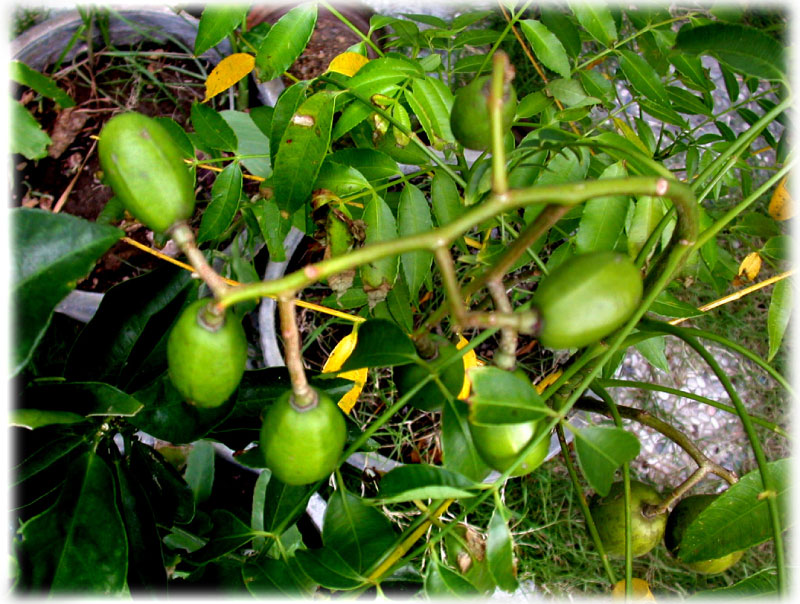
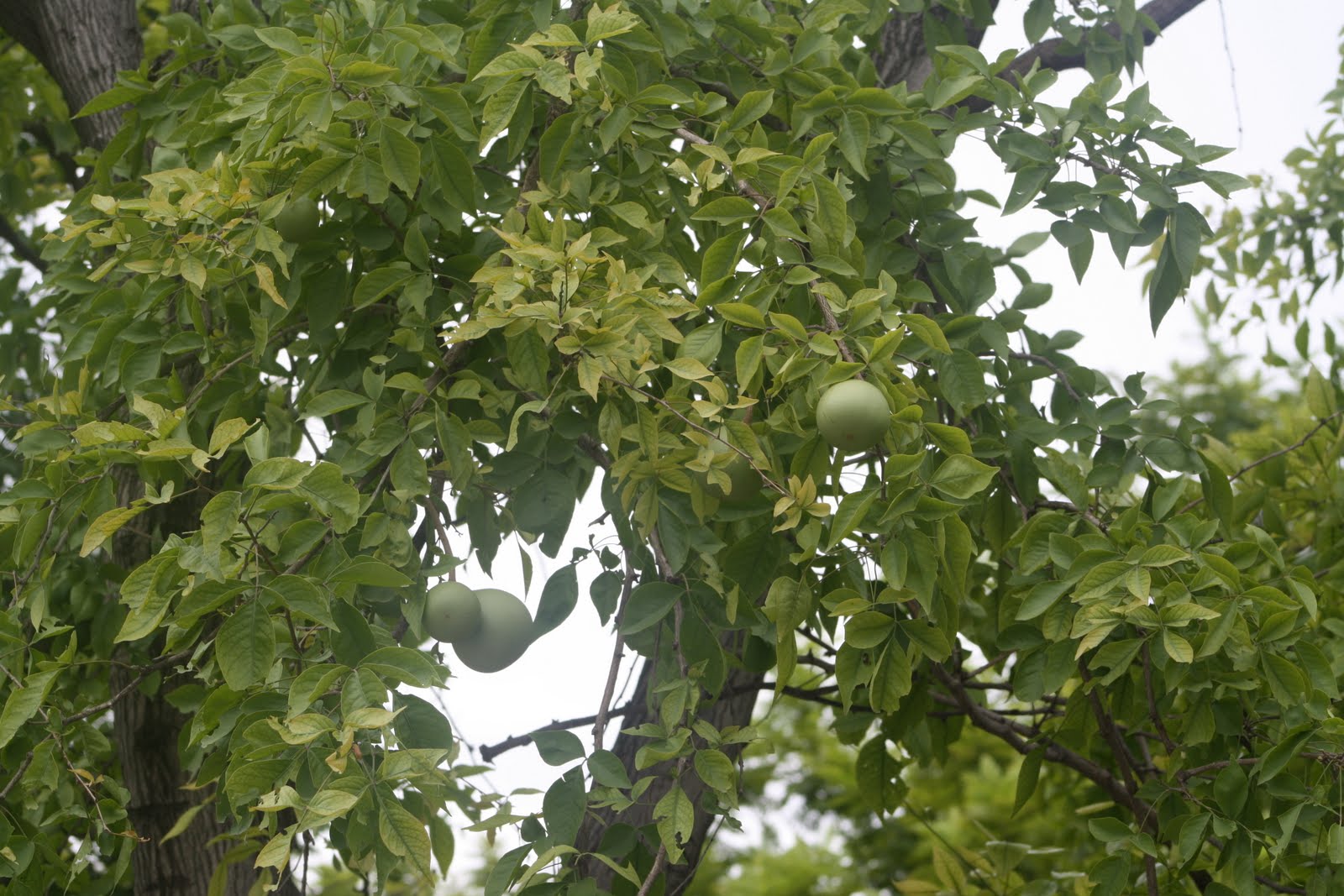
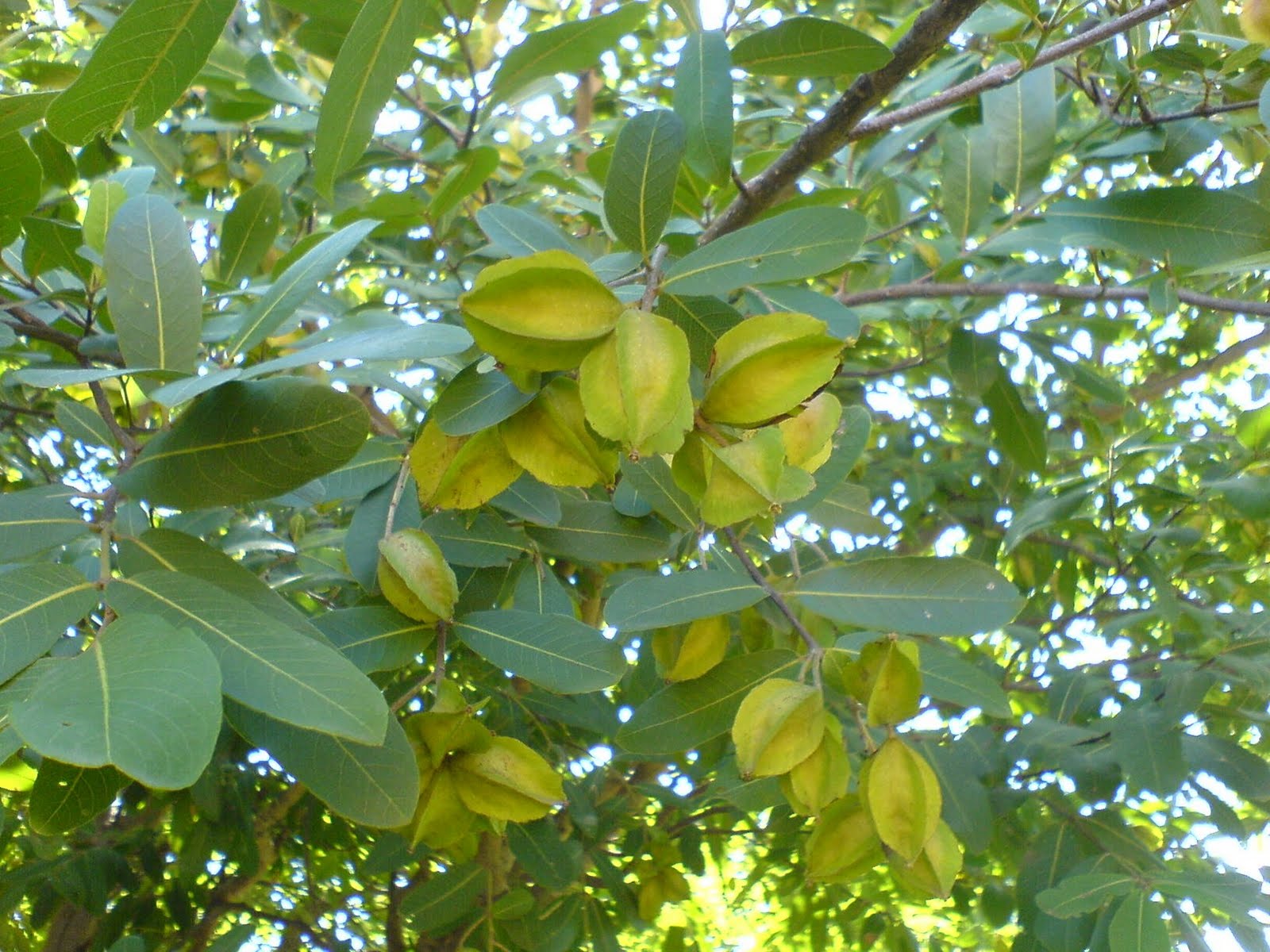
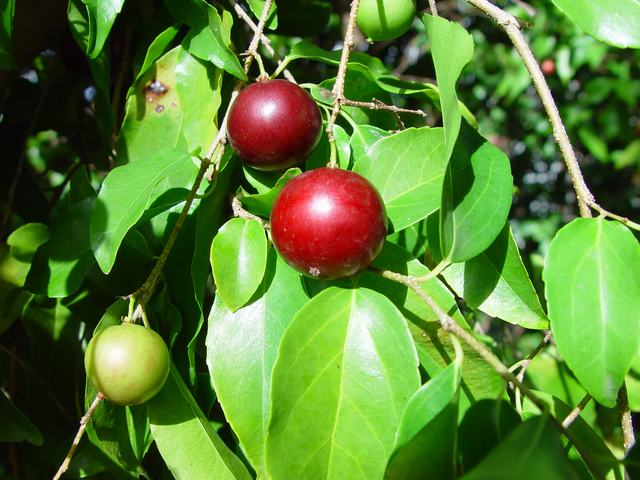
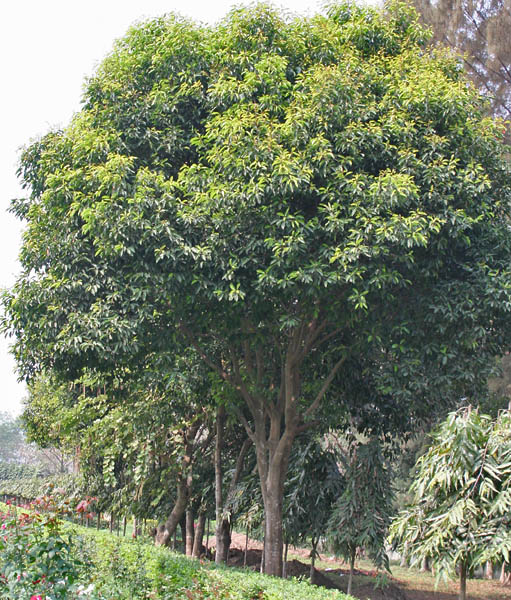
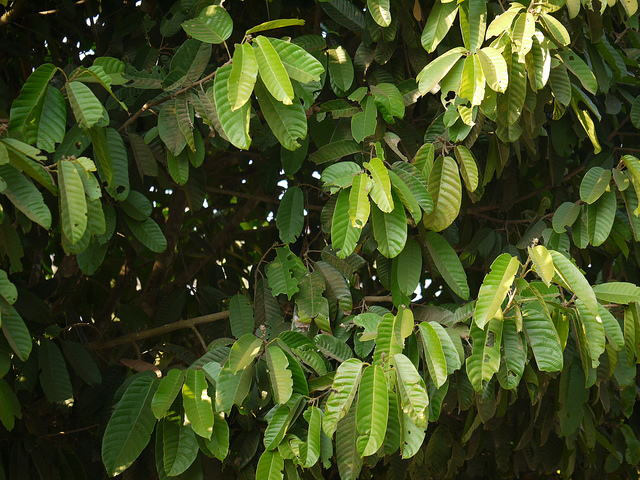
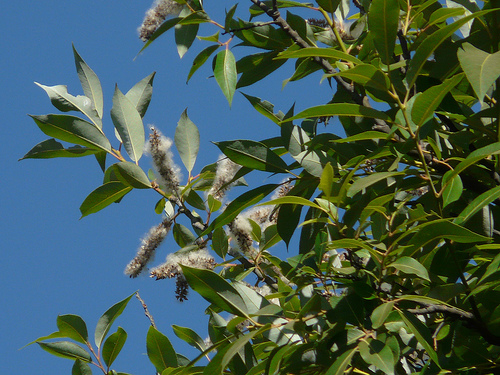
Birth Stars (Constellation) and Tree Worship: Belief in Hindu Astrology


The Vedic astrology or Hindu astrology is based on the sidereal or visible zodiac  system. Initially the zodiac was divided into 12 main zodiac signs or rasis. Later Hindu sages added another sub-division after breaking the zodiac into 27 star constellations or nakshatras. Thus a nakshatra is one of 27 sectors along the zodiac. Each nakshatra has a span of 13 degrees and 20 minutes. After that each nakshatra was further subdivided into 4 Padas, or quarters, of 3 degrees and 20 minutes. Each zodiac sign comprise total 9 padas. The constellations are categorized into three main classes: 1. Deva (divine); 2. Manusha (human); and 3. Rakshas (demonic) and each constellation has its own ruling deities.

In Vedic astrology Birthstar is known as Janma Nakshatra or only Nakshatra. Birthstar is the name of the constellation in which the Moon was located at the time of the birth. People strongly believe that those born on the 27 represented stars belonging to the 12 Zodiac signs have their own specific temples (ruling deity), animals, trees and birds for worship.

The concept of Nakshatra temples is based on the belief that there is a correlation between the birth star or constellation of the person and the relationship with the deity in Hindu temples. Worshiping the deity throughout his or her life will bring peace and prosperity.

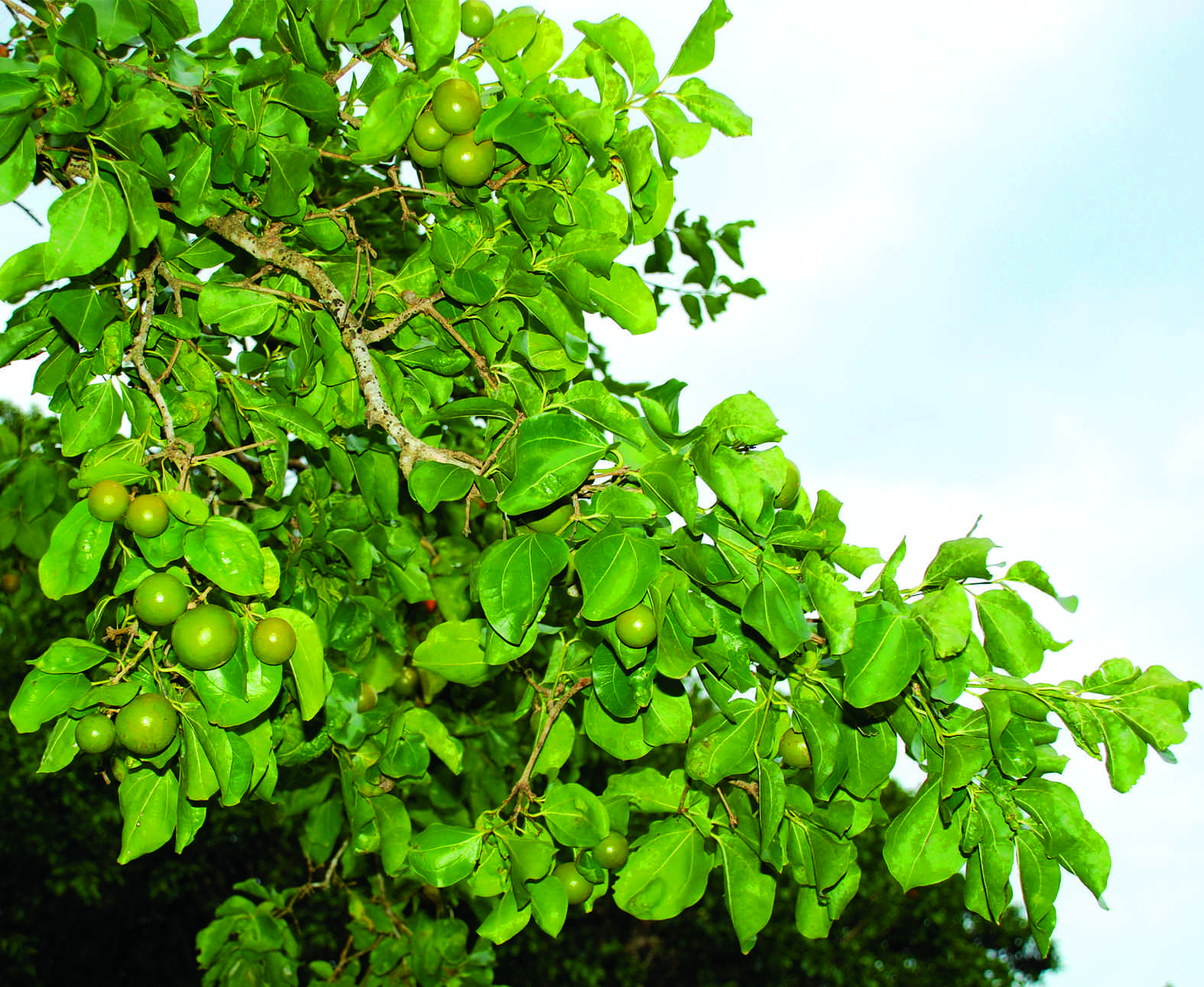
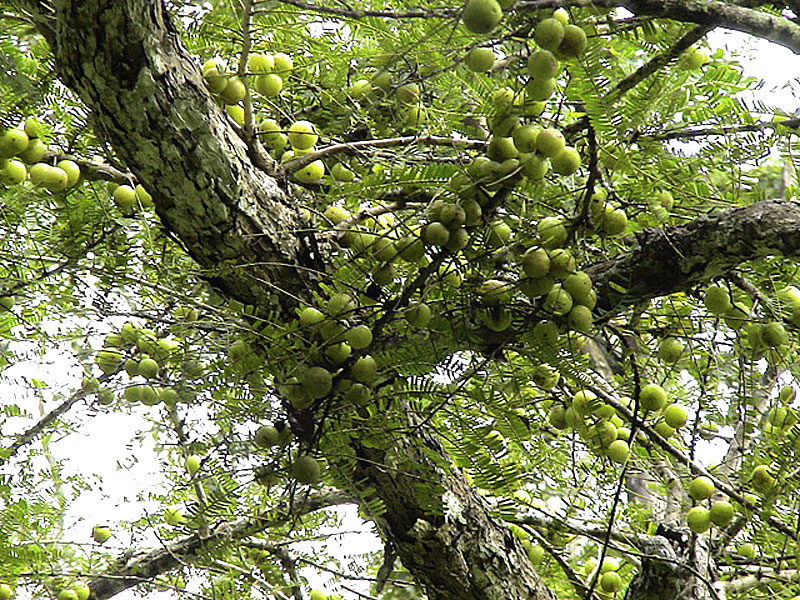
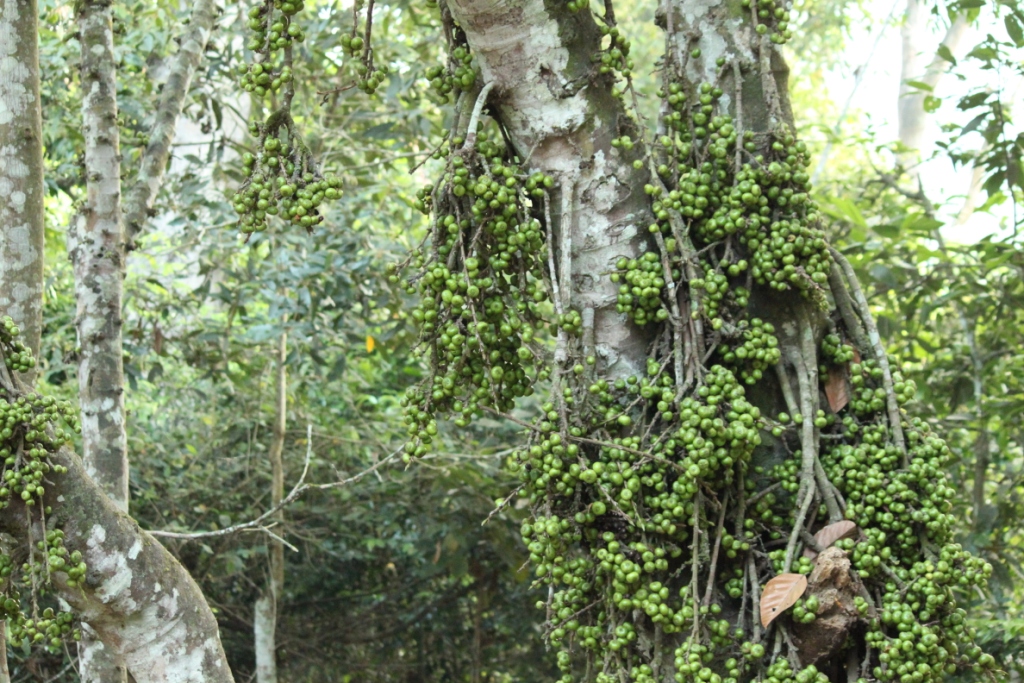
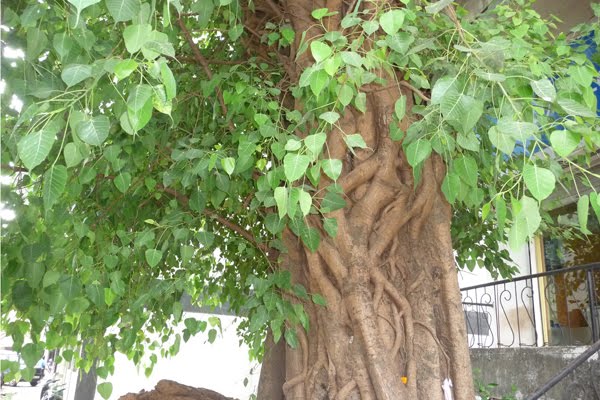
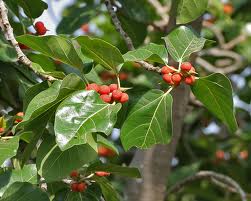
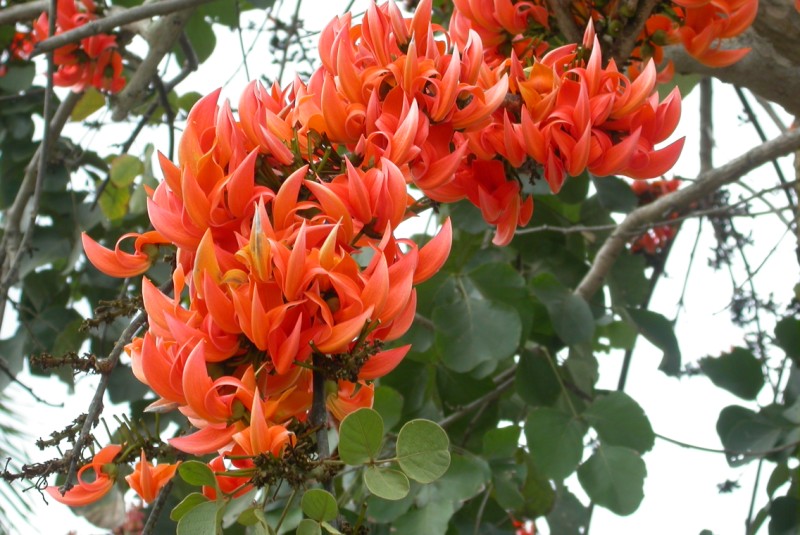
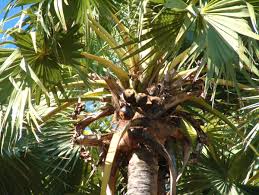
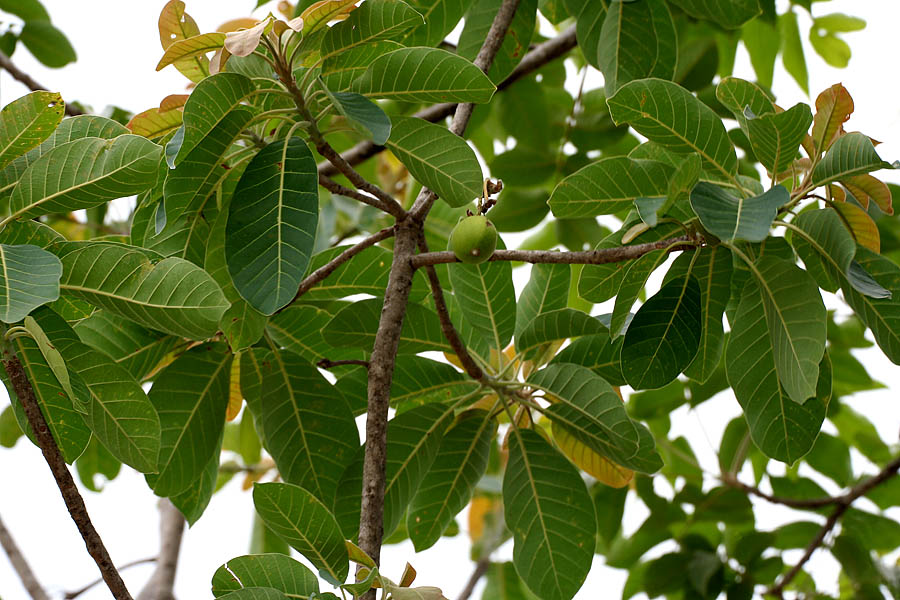
Tree worship (dendrolatry) and sacred trees play pivotal roles in Hindu religion and astrology. The concept of Nakshatra trees is based on the belief that there is a correlation between each  birth star as well as constellation of Hindu astrology and the relationship with a symbolic tree or plant.  This correlation between the birth star and the tree defines the relationship between the human and the green trees in the environment. Eco Worship is the Worship of Environment through plants or offering prayers to various trees.

Table 1. Birth Star (Hindu Astrology) / Corresponding Tree

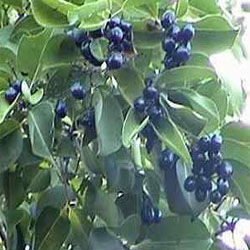
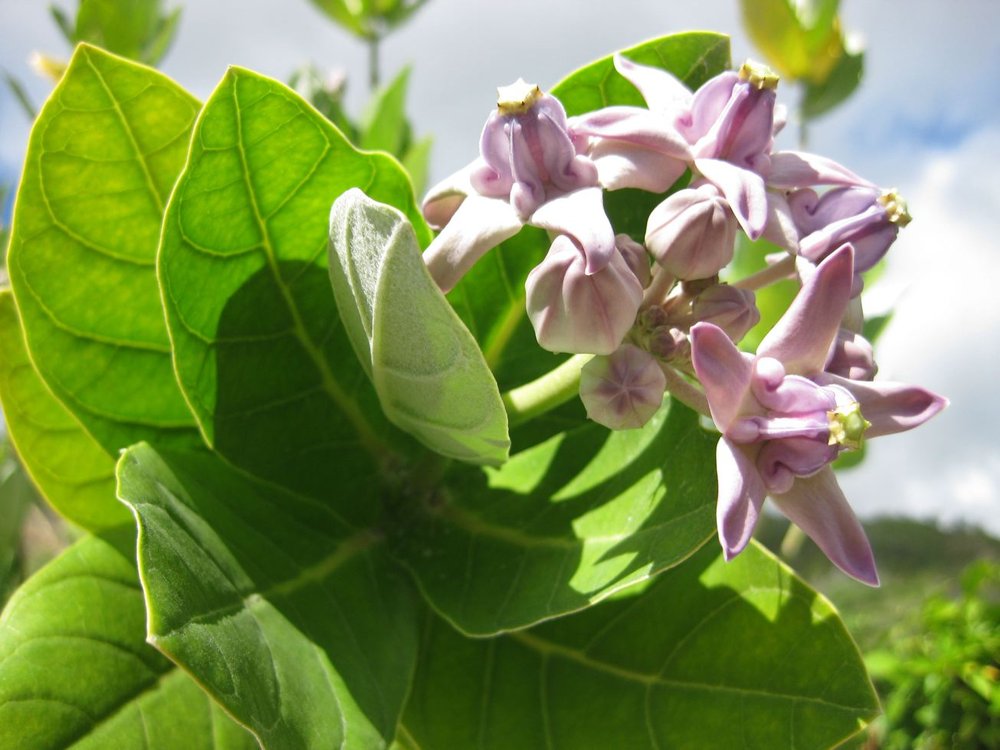
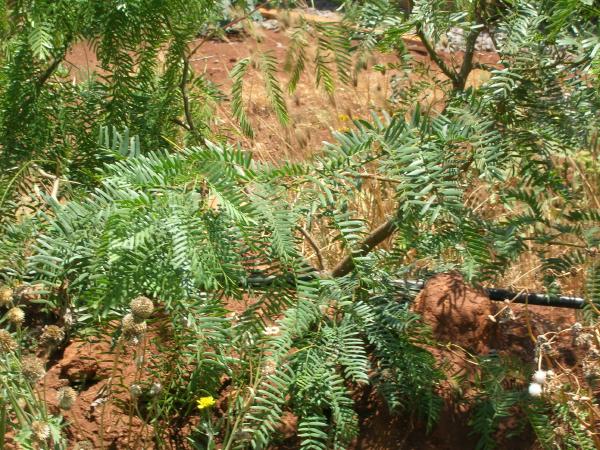
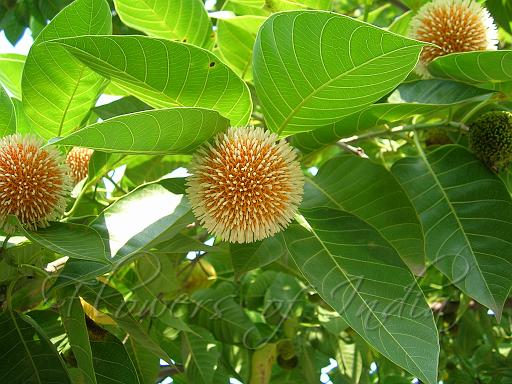
01 KANJIRAM ASWATHI 02 NELLI BHARANI
ASWATHY / KANJIRAM
BHARANI / NELLI
03 ATHI KARTHIKA 04 NJAVAL ROHINI
KARTHIKA / ATHI
ROHINI / NJAVAL
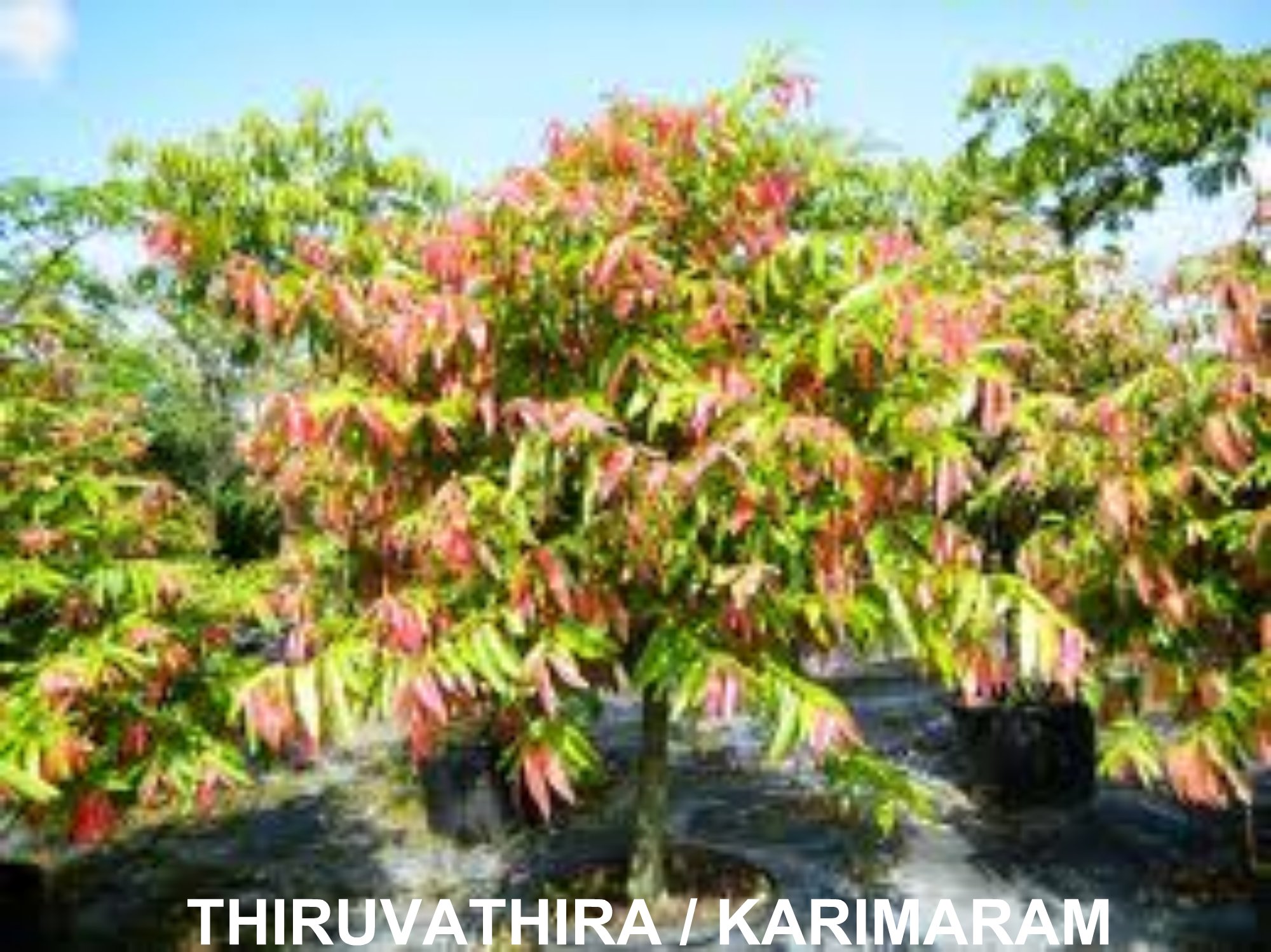
05 KARINGALI MAKAYIRAM 06 KARIMARAM THIRUVATHIRA
MAKAYIRAM / KARINGALI
THIRUVATHIRA/KARIMARAM
07 MULA PUNARTHAM 08 ARAYAL POOYAM
PUNARTHAM / MULA
POOYAM / ARAYAL
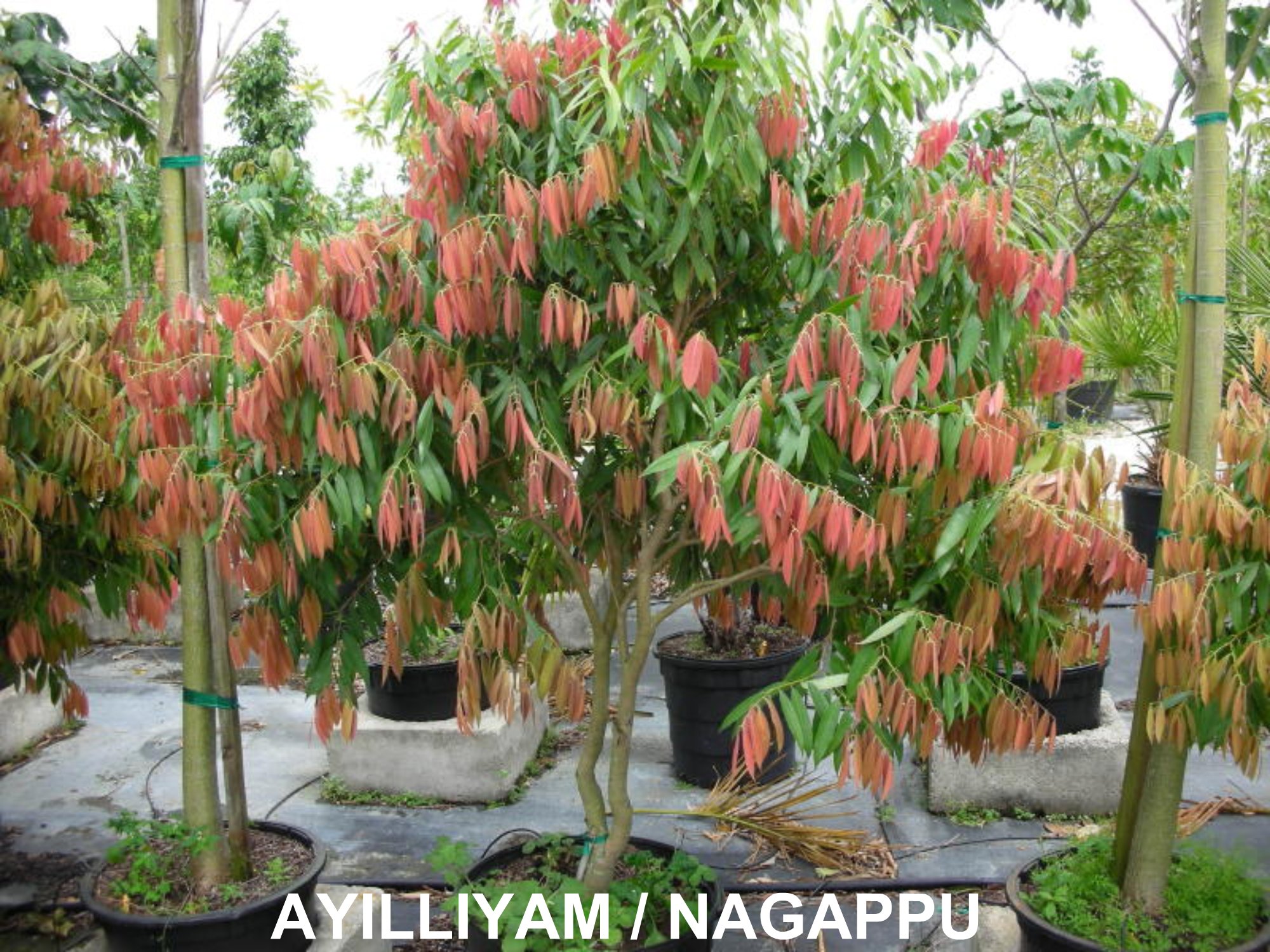
09 NANK AYILLIYAM 10 PERAAL MAKAM
AYILIAM / NANK
MAKAM / PERAL
11 PLAASU POORAM 12 ITHI  UTHRAM
POORAM / PLASU
UTHRAM / ITHI
13 AMPAZHAM ATHAM 14 KOOVALAM CHITHIRA
ATHAM / AMPAZHAM
CHITHIRA / KOOVALAM
15 NEERMARUTH CHOTHI 16 VAYYAMKAITHA VISAKHAM
CHOTHI / NEERMARUTH
VISAKHAM / VAYYAMKAITHA
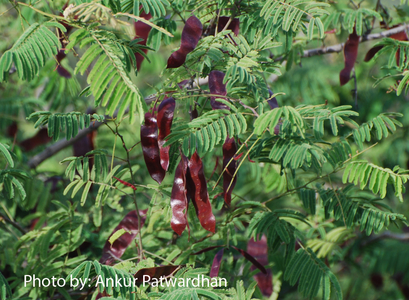
17 ELANJI ANIZHAM 18 VETTI THRIKKETTA
ANIZHAM / ELANJI
THRIKKETTA / VETTI
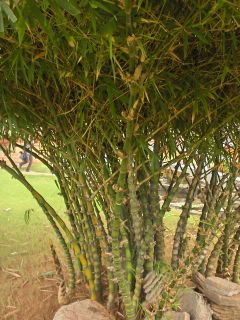
19 PINE MOOLAM 20 VANCHI POORADAM
MOOLAM / VENPAIN
POORADAM / VANCHI
21 PLAVU UTHRADAM 22 ERUKKU THIRUVONAM
UTHRADAM / PLAVU
THIRUVONAM / ERUKK
23 VAHNI AVITTAM 24 KADAMPU CHATHAYAM
AVITTAM / VAHNI
CHATHAYAM / KADAMPU
25 MAAVU POORURUTTATHI 26 KARIMPANA UTHRITTATHI
PURURUTTATHI / MAAVU
UTHRITTATHI /KARIMPANA
27 ILIPPA REVATHY
REVATHY / ILIPPA

Source: Birth Star Trees Travancore Devaswom Board, Thiruvananthapuram, Kerala

Saturday, April 9, 2011

Tamil New Year Day or Varusha Pirappu or Tamil Puthandu : One of the Important Hindu Tamil Festivals


When Sun transits into zodiac Aries (Mesham), the Tamil New Year ‘Kara’ commences. The festival is called as Tamil Puthandu or VarushapirapuTamil Calendar and Tamil astrology (Nirayana astrology) are considered as one of the most ancient astrology system. The solar calendar system follows 60 year cycle and the years are named specifically (not numbers). The new year will be called as ‘Kara’ (25th year) and the last year was called as ‘Vikhruti’ (24th year). The Tamil year has 12 months and they have specific Tamil names like Chithirai, Vaikasi, Aani, Aadi and so on. This sidereal astrology system has 27 constellations duly aligned with the zodiac and there are 108 mansions (padam).

According to the Tamil Panchangam (solar calendar system) the Tamil New Year will begin as per details shown below: 

1.      Date = April 14, 2011;
2.      Time = 11.27 a.m;
3.      Day = Guruvara (Thursday);
4.      Paksham = Shukla Paksham;
5.      Masam (Month) = Chithirai;
6.      tithi = Ekadasi (11th Lunar Day);
7.      Star (Constellation) = Makam (Magha)
8.      Rasi (Moon Sign) = Simha (Leo) sign
9.      Lagna (Ascendent) = Mithuna (Gemini) sign
10.  Navamsa Lagna = Meenam (Pisces) sign
11.  Navamsa Rasi = Mithuna (Gemini)
12.  Dasa = Ketu
13.  Buddhi = Guru (Jupiter)
14.  Andharam = Surya (Sun)
15.  Horai = Chandra (Moon) horai

It is conventional to identify three important planets as king (Raja), minister (Manthri) and commander (Senathipathy or Mekathipathy or Arkathipathy) for the Tamil New year.  For the Tamil  new year 2011 – 2012 the ruler (king) will be Lord Chandran or Moon; the minister will be Lord Guru or Jupiter;  and the commander will be Lord Budha or Mercury . The Hindu mythology marks this day as the day of creation since Lord Brahma commenced his activity of creation on this day.


Tamil New year is an important festival celebrated by Tamils. This festival is mainly observed in Tamil Nadu and all nations with huge Tamil diaspora populations, like Sri Lanka, Malaysia, Singapore, Mauritius, United Kingdom and United States. Sun is considered as the planet of energy. When sun transits into Aries it becomes exalted and obtains its full potential during this period. There the Tamil month Chithirai is considered as an auspicious month and Tamil New year day as the most eventful day. The prayer to sun god will bring prosperity and health. Malayalam speaking people (follow Kollam calendar system) also celebrate this day as Chaitra Vishu (harvest festival of Kerala). In north eastern India Vishu is also called as Bisu. The transit of sun to Aries also marked as Mesha Sankraman or Mesha Sankranti.

The Tamil Hindus attach much importance to Varushapirappu or Tamil Puthandu. As usual the houses will be cleaned and white washed. On Tamil New year day the front court yard of the houses will be adorned with Rangoli kolam. Mango leaf festoons will be tied over the front entry doors. Before night womenfolk will arrange fruits, coconuts, betel leaves, nuts, flower, coins or currency notes, gold jewels in a large plate and will be kept in a common place. Oil lamp will be lit. Viewing the fruit as soon as you woke up in the morning is considered as auspicious, and it is known as ‘Kani kanal’. Elders and other members will have bath and wear new dresses. In some specific families darpanam (holy prayer in remembrance of departed souls) will be offered. Family members prostrate before the elders and seek their blessings.
 The Hindu temples make elaborate arrangements for ‘Panchanga Patanam’ or astrological prediction of the Tamil new year from the new year panchangam. In some temples there will be festivals, processions, lectures and music events.
The lunch on the Tamil New year day will have special menu item called ‘pachadi.’ This dish will highlight  six tastes – Astringent,  Bitter, Pungent,  Salty, Sour and Sweet. People will feed the poor and may also offer new dresses.

Vishu Kani